Tuesday, May 10, 2016

Photosynthesis and Respiration

Chemical reactions are used in many ways, but the most important ones are the ones that keep us alive.  Photosynthesis is a chemical reaction!  The chemical formula for Photosynthesis is carbon dioxide plus water, which equals glucose and oxygen.


Photosynthesis provides us with food to eat and oxygen to breathe.

Respiration is another example of an important chemical reaction that keeps us alive.  The respiration chemical formula is glucose plus oxygen, which equals carbon dioxide and water.
Respiration releases stored energy so people can read, eat, write, and LIVE!

Signs of Chemical Change

One sign of a chemical change is a precipitate.  A precipitate is a solid that forms in a solution due to a chemical reaction.  A precipitate example is the formation of such a solid in the liquid.


Another sign that a chemical change has happened is if a gas is formed.  An example of this is when you put an antacid tablet containing a mixture of baking soda and citric acid in a glass of water. What comes out is bubbles of carbon dioxide gas.

Temperature increases are a sign of chemical change that releases energy.  This shows that the release of energy is a chemical change.

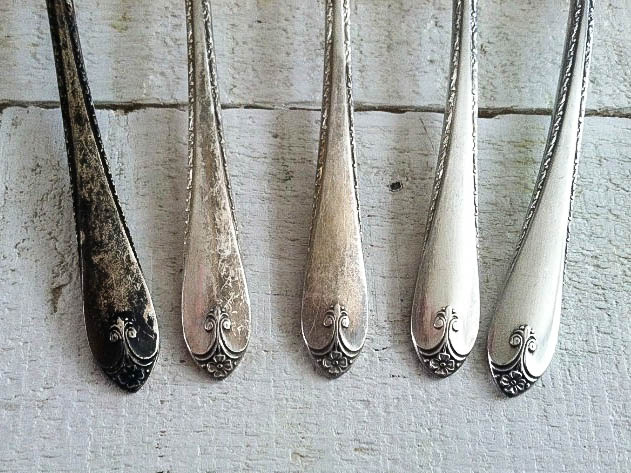
Color change is an example of chemical change.  When you spill food coloring on a shirt, you add some bleach to remove the color.  The bleach chemically takes away the color.  Also, metals change color when they tarnish.

Saturday, May 7, 2016

What are chemical changes?

Chemical reactions may occur between atoms, molecules, or compounds.  Atoms simply rearrange into new combinations.  This change gives the products new and different properties.

Molecular models show you how atoms are rearranged in the products.
A famous saying is "reactants make products."

Most Reactive Elements


Some metallic elements are more likely to react than others.  These elements have a higher reactivity.

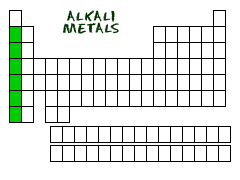
The family with the most reactive metals is called the alkali metals.  This group contains lithium, sodium, potassium, rubidium, cesium, and francium.  The metals become more reactive going down the periodic table of elements.

You will not find reactive metals in the ground in the elemental form.  They form compounds really easily.

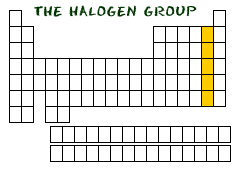
The most reactive nonmetals are the halogen family.  This includes astatine, iodine, bromine, chlorine, and fluorine.  Going up, the nonmetals go from least reactive, to most reactive.